
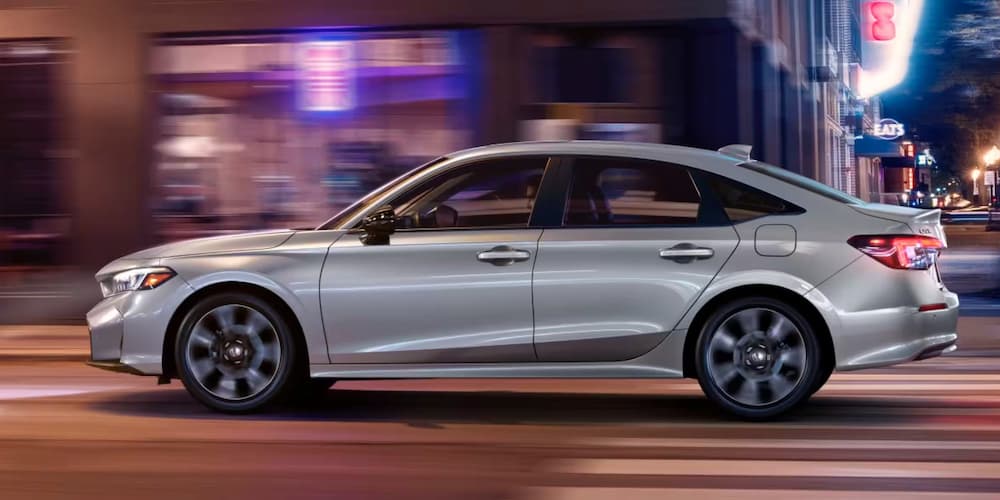
When it comes to compact sedans, the Honda Civic and Toyota Corolla are names that dominate every shopper's shortlist. Both are known for reliability, value, and efficiency. Yet, for 2026, more drivers are shopping for the Honda Civic for sale because the reliable sedan raises the bar yet again.
With its sportier performance, refined design, and next-generation technology, the 2026 Civic proves it's no longer keeping pace with the competition; it's leading the race. How does Honda manage this incredible feat against Toyota? It's time to find out.
Whether you're drawn to hybrid efficiency, premium interior comforts, or advanced safety features, the 2026 Honda Civic delivers more of what modern drivers want and deserve. Here's a closer look at how the 2026 Civic outshines, outsmarts, and outperforms the 2026 Toyota Corolla where it matters most.
#1 - Power and Performance
The 2026 Civic and 2026 Corolla are agile and easy to maneuver, thanks to their compact footprints. Yet, Honda goes above and beyond to ensure the 2026 Civic is more than adaptable; it's also fun and engaging to drive. The difference is instantly noticeable, compared to the Corolla's modest two-engine lineup and simpler suspension design.
Corolla: Capable But Uninspired
The 2026 Corolla's standard 2.0L four-cylinder engine produces 169 hp and 151 lb-ft of torque–adequate for commuting, but not particularly exciting. The Corolla Hybrid delivers even less power, relying on a 1.8L hybrid powertrain to make 138 hp, making it slow to accelerate, merge, or pass.
The Corolla's inhibited performance also stems from Toyota cutting corners with the sedan's suspension to keep the entry-level LE's starting MSRP lower in 2026. Unlike Honda, Toyota requires you to spend more on a mid- or top-tier trim to replace the outdated Torsion beam rear suspension. The older, less sophisticated setup feels uninspiring on twisty roads and less stable in situations that require quick changes in direction and heightened responsiveness.
Civic: A More Sophisticated, Exciting Drive
Honda's penchant for performance is evident the moment you climb behind the wheel of the Civic. Every 2026 Civic features an independent multi-link rear suspension, which dramatically enhances the sedan's stability, reduces body roll, and delivers a smoother, more composed ride. It's the kind of engineering drivers immediately feel and appreciate on curves and uneven pavement.
The 2026 Civic's powertrain options also elevate the experience. The base engine, a 2.0L inline-four, sets the stage for the performance-tuned Civic Si and the more efficient Civic Hybrid, revered for its dynamic handling and responsiveness.
The 2026 Civic Si relies on a 1.5L turbocharged inline-four to produce a jaw-dropping 200 hp and 192 lb-ft of torque. Honda swaps the Civic's continuously variable transmission for a six-speed manual, giving drivers a physical connection and more control over the Si's output. The Civic Hybrid mirrors the Si's horsepower output, but utilizes its 2.0L inline-four hybrid configuration to put 232 lb-ft of near-instant torque at your feet.
The Verdict
With more horsepower, quicker acceleration, better suspension engineering, and a trim explicitly designed for enthusiasts, the 2026 Civic offers a far more dynamic experience. It's a sedan built for people who actually enjoy driving.
#2 - Interior Details and Dimensions
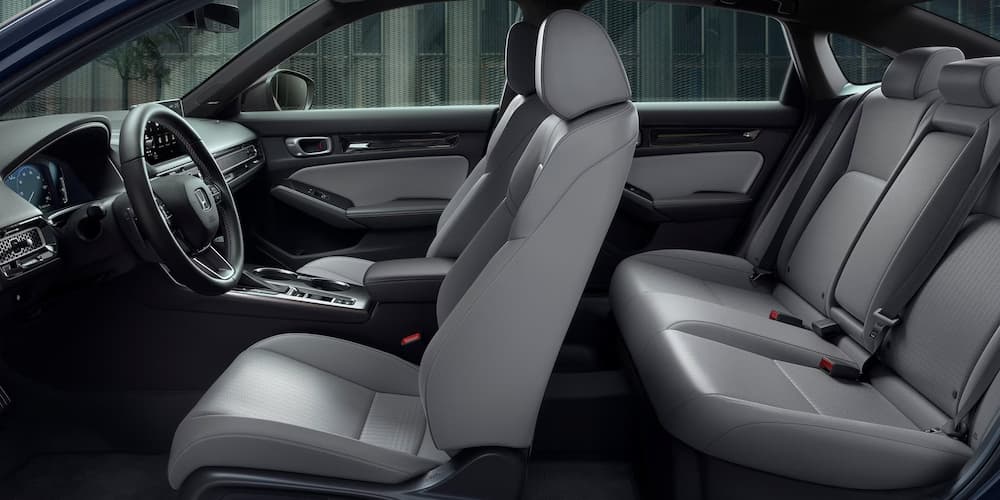
Step inside the 2026 Civic and 2026 Corolla, and the differences become even more apparent. Honda invests in thoughtful design details and high-quality materials that elevate comfort, with the Civic's larger cabin creating a noticeably more accommodating environment.
Civic: Designed for Space and Everyday Comfort
The 2026 Civic prioritizes comfort with an impressive passenger volume of 99 cu.ft., significantly exceeding the Corolla's 88.6 cu.ft. The larger cabin provides more headroom and legroom in both rows, making it easy for you and your passengers to get comfortable and enjoy the drive.
Honda ensures the Civic's backseat isn't an afterthought, making it a far better daily driver. As you move up the lineup, the Civic's premium accouterments are even more impressive. The top-tier Civic Sport Touring Hybrid has leather-trimmed seats, heated and power-adjustable front seats, a one-touch power moonroof, dual-zone automatic climate control, a premium Bose audio system, wireless smartphone integration via Apple CarPlay and Android Auto, and Google built-in.
Corolla: Comfortable but Smaller and Less Refined
The 2026 Corolla is comfortable for shorter trips, but Toyota seemingly forgets about the back seat, which feels cramped compared to the 2026 Civic. Top-tier trims like the Corolla Hybrid XLE have modest upgrades, with SofTex upholstery and heated front seats, but the sedan's interior styling remains conservative and outdated.
Beyond the Corolla's smaller cabin, cargo space is also tighter and gives the 2026 Civic another advantage. The Corolla's trunk is 13.1 cu.ft., with the Civic's trunk significantly larger at 14.8 cu.ft. The Corolla Hatchback follows the same pattern, offering 17.8 cu.ft. behind the second row and 23 cu.ft. if you swap the spare tire with a Tire Repair Kit.
The exchange is significant, considering the modest increase in capacity doesn't replace the necessity of a spare tire when you're stranded on the side of the road. Honda refuses to make that demand, with the Civic Hatchback offering 24.5 cu.ft. with the rear seat upright. That volume increases with the seat folded down, and doesn't require sacrificing the Civic's spare tire or any other essentials.
The Verdict
The 2026 Corolla simply isn't as sophisticated or spacious as the 2026 Civic. With more interior room, better materials, and superior cargo space, the Civic is far more adaptable to everyday driving needs, without requiring a game of Tetris to load the trunk or compromising your passengers' comfort in the back seat.
#3 - Modern Features Without the Wait
Title Page Separator Site title
Toyota has a strong reputation for long-term reliability, but the brand typically adopts new technologies more slowly than its competitors. This pattern continues with the 2026 Corolla, which still relies on older tech and limits its more intuitive features to optional packages and higher trims.
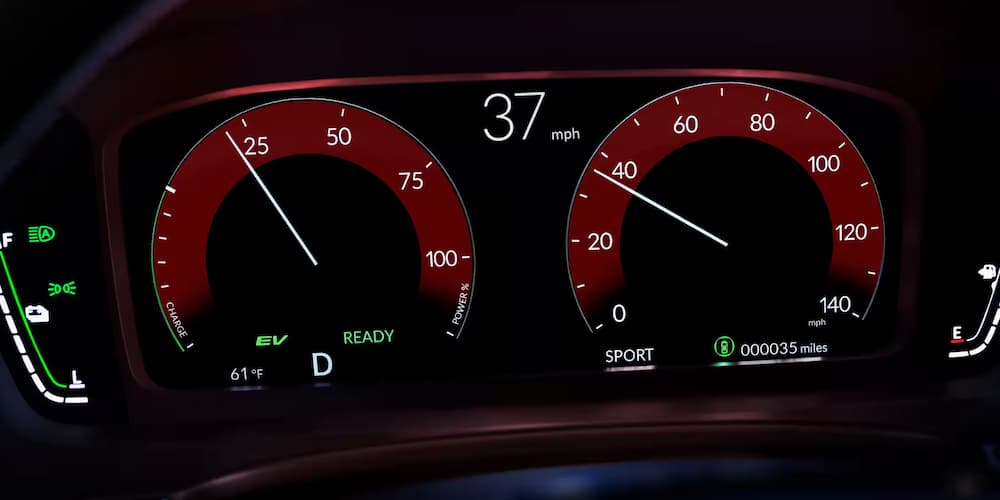
The 2026 Civic takes the opposite approach. Honda embraces next-generation convenience and connectivity, making these features standard across the Civic's lineup. As a result, drivers enjoy more tangible value and a smoother path to premium features without overpaying for extras and add-ons.
More Built-In Value
The 2026 Civic LX immediately makes a strong case for Honda's value-rich approach, rolling off the production line with LED headlights, Apple CarPlay and Android Auto, Bluetooth, the Honda Sensing suite, and a four-speaker 160-watt audio system. These standard features complement the Civic LX's dynamic performance, including its better suspension, and set the stage for a more intuitive, enjoyable driving experience right from the start.
By comparison, the 2026 Corolla LE focuses on the essentials and nothing more. The entry-level trim is equipped with automatic climate control, the Toyota Safety Sense 3.0 suite, blind-spot monitoring, and smartphone integration via Apple CarPlay and Android Auto. Even so, Toyota's infotainment platform feels more restrictive and outdated, especially since there's no way to enjoy enhanced connectivity features like Google built-in.
Top-Tier Trims Tell the Full Story
Stepping up the trim ladder makes the differences between the Civic and Corolla even more apparent. Honda offers drivers an exceptional blend of luxury, convenience, and modern technology, while Toyota seems stuck in the past with its outdated tech and features.
The 2026 Civic Sport Touring Hybrid delivers an upscale, tech-forward experience with leather seats and an extensive catalog of connectivity and driver-assist features that the 2026 Corolla Hybrid XLE can't match with its SofTex-trimmed seats and limited features. Despite being a top-tier trim, the Corolla Hybrid XLE forces drivers to spend more on upgrades to enjoy the luxuries and conveniences that traditionally define upper trims, such as the available nine-speaker JBL Premium Audio System.
Honda doesn't make that demand from drivers, ensuring the 2026 Civic Sport Touring Hybrid is thoughtfully equipped to provide exceptional value and a transformative experience without the need to spend more on add-ons. For example, the sedan's acoustic glass minimizes road noise, making it easier to enjoy the premium leather seats and the concert-like listening experience from the 12-speaker premium Bose audio system.
The Verdict
The 2026 Corolla offers solid value, but the 2026 Civic delivers more meaningful value with more conveniences, more technology, a more intuitive infotainment system, and a larger roster of modern features that make a lasting impact on your experience behind the wheel. From Alexa Built-In and Google built-in to more practical essentials like parking sensors, wireless phone charging, and heated side mirrors, the 2026 Civic outshines and outsmarts the Corolla, while Toyota sticks to its slower upgrade cycle that keeps the sedan perpetually behind.
A Sweet Victory for Honda
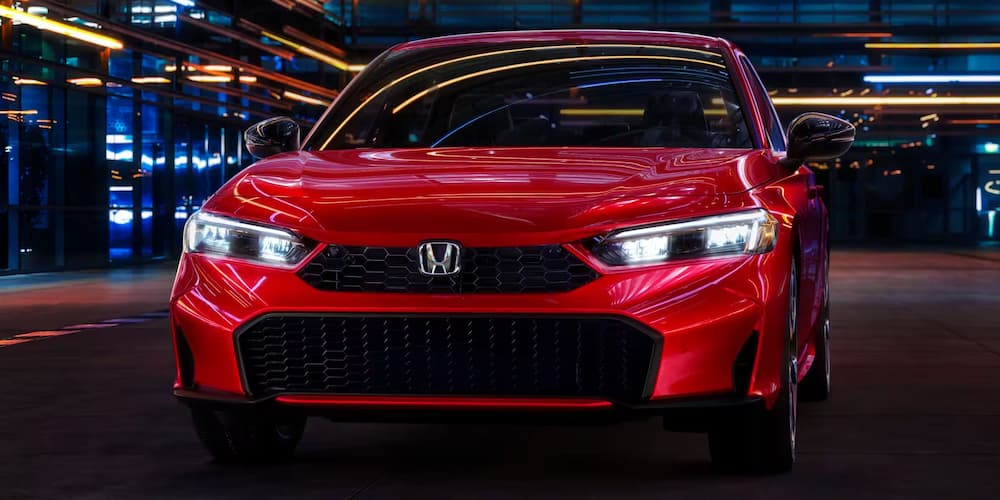
While the 2026 Corolla remains a solid choice for budget-conscious shoppers, the 2026 Civic delivers a more exciting, refined, and rewarding experience overall. It showcases the age-old advice that you get what you pay for, and in the Civic's case, its 2026 starting price of $24,595 offers far more than the modestly priced Corolla, which feels like an afterthought in the Toyota lineup.